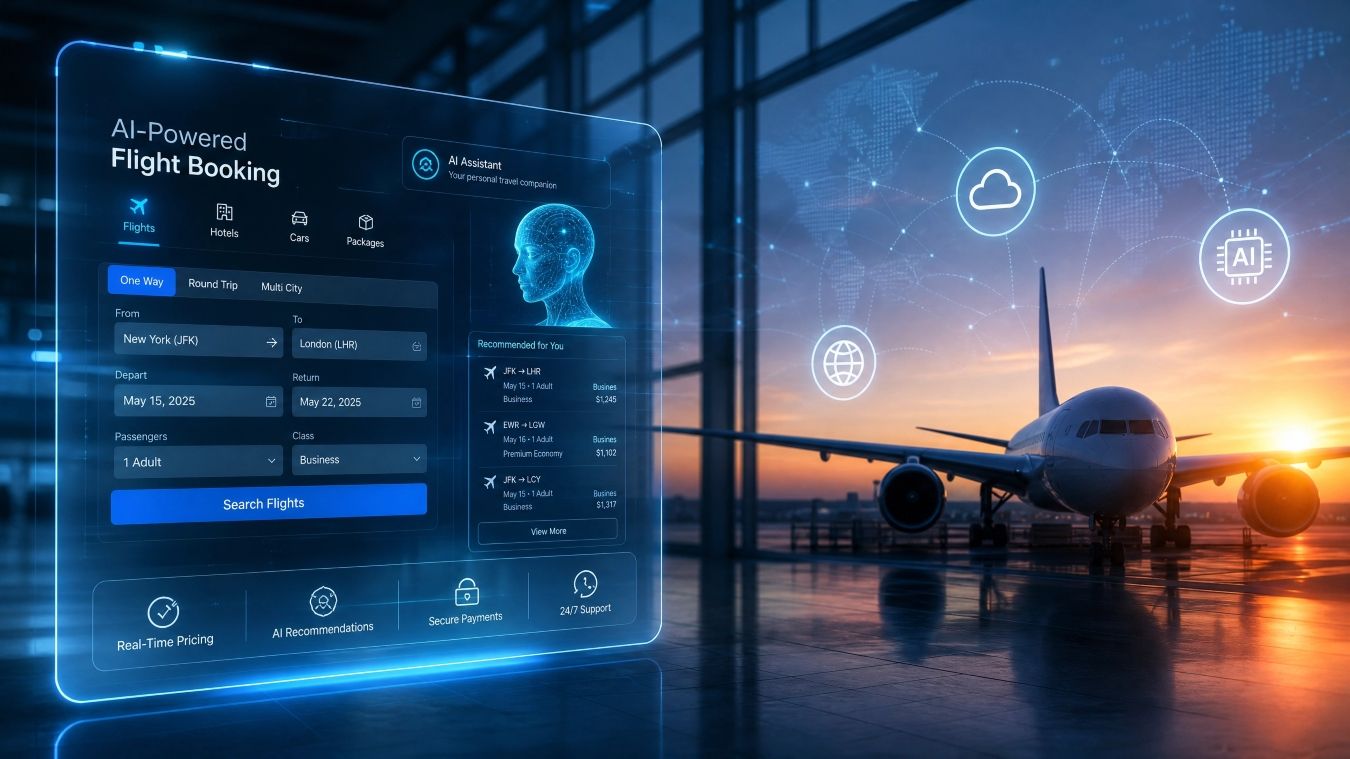
Elevating Air Travel: The Indispensable Role of Advanced Airline Reservation Systems in 2026 and Beyond
Introduction
The aviation industry is in a perpetual state of evolution, driven by technological advancements and shifting traveler expectations. As a seasoned professional with over two decades immersed in travel technology, I've witnessed firsthand the transformative power of robust digital infrastructure. Today, the modern traveler demands more than just a ticket; they seek instant gratification, personalized experiences, and seamless interactions across every touchpoint. For airlines, travel agencies, and Online Travel Agencies (OTAs), meeting these escalating demands hinges on one critical component: a sophisticated Airline Reservation System (ARS).
An ARS is not merely a booking engine; it is the strategic core of modern air travel operations. It orchestrates everything from real-time inventory management and dynamic pricing to secure payment processing and personalized customer engagement. In an industry where efficiency, customer satisfaction, and revenue optimization are paramount, the choice of an ARS can be the differentiator between thriving and merely surviving.
This comprehensive guide, informed by the latest industry trends and a deep understanding of travel tech, will delve into the essence of modern ARS. We will explore its foundational features, strategic benefits, critical integration capabilities, and the emerging trends that are reshaping its future in 2026 and beyond. Furthermore, we will highlight how specialized partners like Sopra Travel Technology are empowering businesses to navigate this complex landscape and build next-generation solutions.
What Defines a Modern Airline Reservation System?
At its heart, an Airline Reservation System (ARS) is a powerful software platform designed to manage the intricate ecosystem of flight bookings, ticketing, seat inventory, passenger records, schedules, and dynamic pricing in real-time. It acts as the central nervous system, connecting travelers, airlines, travel agencies, Global Distribution Systems (GDS), and various third-party suppliers onto a unified, intelligent platform.
Key functionalities that characterize a cutting-edge ARS include:
- Flight Search and Booking: Intuitive interfaces for rapid flight discovery, comparison, and reservation.
- Seat Inventory Management: Real-time allocation and tracking of available seats, fare classes, and cabin categories.
- Passenger Information Management (PIM): Secure handling of traveler details, booking records, and travel itineraries, generating unique Passenger Name Records (PNRs).
- Fare Calculation and Ticketing: Automated fare determination, e-ticket issuance, and validation, streamlining the post-booking process.
- Payment Processing: Secure integration with diverse payment gateways, supporting multi-currency transactions and various payment methods (credit/debit cards, UPI, digital wallets, international options).
- Markup Management: Real time price control.
- Route Management: Control on supplier & Airline for every route.
- Flight Schedule Management: Efficient planning, modification, and communication of flight timings and routes.
- Booking Modifications and Cancellations: Empowering both agents and customers with self-service options for itinerary changes.
Modern ARS platforms extend their reach across multiple channels, offering seamless booking experiences via airline websites, mobile applications, travel portals, and dedicated agent booking systems. This multi-channel presence is crucial for maximizing reach and catering to diverse customer preferences.
The Strategic Imperative: Why an ARS is Non-Negotiable in Today's Market
In the fiercely competitive and rapidly evolving airline industry, real-time data and operational agility are critical. An advanced ARS transcends basic booking functions to become a strategic asset, enabling businesses to:
- Optimize Operational Efficiency: Automating complex processes significantly reduces manual workloads and minimizes costly errors, freeing up resources for strategic initiatives.
- Enhance Revenue Management: Leveraging dynamic pricing algorithms based on demand, seasonality, and competitor analysis to maximize profitability .
- Boost Direct Bookings: Providing a superior direct booking experience can reduce reliance on third-party channels and improve profit margins.
- Elevate Customer Satisfaction: A smooth, intuitive booking journey, coupled with real-time information and proactive notifications, fosters loyalty and positive brand perception.
- Improve Data-Driven Decision Making: Comprehensive reporting and analytics provide invaluable insights into booking trends, customer behavior, and operational performance, guiding informed business strategies.
Without a sophisticated ARS, airlines and travel businesses would face insurmountable challenges in managing the millions of daily transactions and complex customer interactions that define the modern travel landscape.
Core Components of a High-Performance Airline Reservation System
To truly understand the power of an ARS, it's essential to examine its foundational components:
1. Flight Inventory Management
This module is the nerve center for controlling an airline's most valuable asset: its seats. It meticulously manages available seats, fare classes, and cabin categories across all flights. Crucially, the system provides real-time updates on seat availability with every booking, modification, or cancellation, ensuring accuracy and preventing overbooking.
2. Flight Search Engine
A powerful, fast, and accurate search engine is paramount for user experience. It allows travelers to effortlessly search for available flights, compare prices, view schedules, and apply filters to find their ideal itinerary. The expectation for instant, relevant results is higher than ever.
3. Passenger Reservation System (PRS)
The PRS is dedicated to managing all passenger-related data. This includes personal details, booking records, travel itineraries, and contact information. Each reservation generates a unique Passenger Name Record (PNR), a critical identifier that consolidates all traveler-specific information, enabling seamless service delivery.
4. Ticketing System
This component handles the entire ticketing lifecycle, from generating and issuing e-tickets to performing fare calculations and validating tickets. The shift from traditional paper tickets to electronic ticketing has dramatically improved efficiency and convenience for both airlines and passengers.
5. Payment Gateway Integration
Secure and diverse payment processing is non-negotiable for online bookings. A modern ARS integrates with multiple payment gateways to support a wide array of options, including major credit and debit cards, local payment methods like UPI, net banking, digital wallets, and international payment solutions. Robust security features like SSL encryption and PCI compliance are essential.
6. Reporting and Analytics
Beyond transactional processing, an ARS must provide advanced reporting and analytics capabilities. These tools offer deep insights into revenue tracking, booking trends, customer demographics, and operational performance. Such data is vital for strategic planning, identifying new revenue streams, and continuously optimizing business operations.
Key Features Driving the Future of ARS
As we look towards 2026, several key features are defining the next generation of Airline Reservation Systems:
- Real-Time Flight Availability: Instantaneous access to flight status and seat inventory remains a core expectation, powered by sophisticated backend systems.
- Dynamic Pricing: Advanced algorithms automatically adjust fares based on complex factors such as demand fluctuations, seasonality, competitor pricing, and booking patterns, maximizing yield .
- Multi-Currency and Multi-Language Support: Essential for global reach, these features enhance user experience for international travelers by displaying prices in local currencies and offering content in preferred languages.
- Mobile-First Booking Experience: With the pervasive use of smartphones, a highly optimized, responsive mobile booking interface is critical for capturing bookings on the go.
- Automated Notifications: Proactive communication through automated booking confirmations, schedule change alerts, check-in reminders, and real-time flight status updates significantly improves customer satisfaction.
- Customer Self-Service Portals: Empowering passengers to manage their bookings independently—viewing itineraries, modifying reservations, canceling tickets, selecting seats, and purchasing ancillary services—reduces call center load and enhances convenience.
Strategic Integrations: Expanding the ARS Ecosystem
The true power of an ARS is unlocked through its ability to seamlessly integrate with a broader ecosystem of travel technology solutions:
GDS Integration
Global Distribution Systems (GDS) like Amadeus, Travelport, and Sabre remain pivotal for connecting airlines with a vast network of travel agencies worldwide . GDS integration expands distribution channels, provides global visibility, and drives increased bookings, particularly for traditional travel agents.
NDC Integration
New Distribution Capability (NDC), an IATA-led initiative, is revolutionizing airline distribution by enabling airlines to offer richer content, personalized offers, and ancillary services directly to customers and travel sellers . NDC integration facilitates personalized pricing, enhances ancillary sales opportunities, and fosters deeper customer engagement, moving beyond the limitations of legacy GDS systems. The latest versions, such as NDC 21.3v, are focused on modernizing distribution and retailing capabilities through 'Offers and Orders' and 'One Order' concepts .
CRM Integration
Integrating the ARS with Customer Relationship Management (CRM) systems allows airlines to gain a 360-degree view of their passengers. This enables tracking customer interactions, improving retention strategies, and delivering highly personalized marketing campaigns and loyalty programs, ultimately fostering long-term customer relationships.
Third-Party API Integration
Beyond traditional GDS and NDC channels, integrating with specialized Third-Party Flight APIs is essential for creating a truly competitive travel ecosystem. These APIs aggregate content from low-cost carriers (LCCs), regional airlines, and consolidators that might not be fully represented in legacy systems.
Crucially, modern third-party integrations are no longer just about finding the "best deal." They are the primary gateway to essential ancillary services that drive profitability and enhance the traveler experience. These include:
- Advanced Merchandising: Accessing rich content for paid seat selection, extra baggage, and priority boarding.
- In-Flight Enhancements: Real-time booking for pre-ordered meals, Wi-Fi packages, and lounge access.
- Flexible Protection: Integrating specialized travel insurance and "cancel for any reason" (CFAR) protections directly into the booking flow.
- Dynamic Bundling: Combining flights with ground transportation or airport transfers through a single API call.
By leveraging these robust third-party integrations, travel agencies and OTAs can transform from simple booking engines into comprehensive travel concierge platforms, offering a one-stop-shop experience that captures every dollar of the traveler's journey.
ARS for Travel Agencies and OTAs: A Competitive Edge
For travel agencies and OTAs, an ARS is an indispensable tool for aggregating and presenting multiple airline options through a single, efficient platform. Key capabilities for these businesses include:
- Comprehensive Flight Search and Comparison: Offering clients a wide array of choices from various carriers.
- Advanced Fare Management: Efficiently handling complex fare rules and pricing structures.
- Booking Automation: Streamlining the reservation process to improve agent productivity.
- Commission Tracking: Accurate monitoring and management of agency commissions.
- Customer Management: Centralized access to client profiles and booking histories for personalized service.
By leveraging a robust ARS, agencies can provide competitive travel solutions, enhance their service offerings, and significantly improve operational efficiency.
Emerging Trends Shaping the Future of Airline Reservation Systems (2026 Outlook)
The landscape of travel technology is constantly evolving, with several key trends poised to redefine ARS in 2026 and beyond:
- Artificial Intelligence (AI): AI is no longer a futuristic concept but a present-day reality in ARS. It powers personalized recommendations, intelligent chatbots for customer service, predictive analytics for demand forecasting, and dynamic pricing optimization . AI-driven systems will increasingly recognize the traveler's "why" and translate experience-led queries into relevant routes and offerings .
- Cloud-Based Reservation Systems: The migration to cloud infrastructure offers unparalleled scalability, reduced operational costs, high availability, and enhanced security, making ARS more resilient and adaptable .
- Contactless Travel: Post-pandemic, the demand for contactless solutions has accelerated. Modern ARS supports digital boarding passes, mobile check-in, and self-service kiosks, streamlining the passenger journey and enhancing safety.
- Big Data Analytics: Airlines are leveraging big data to predict demand with greater accuracy, optimize pricing strategies, and deliver hyper-personalized customer experiences. This data-driven approach is crucial for competitive advantage.
- Sustainable Aviation Technologies: Increasingly, ARS are incorporating features that support carbon footprint calculations and promote eco-friendly travel initiatives, aligning with growing consumer and regulatory demands for sustainability.
How to Choose the Right Airline Reservation System: A Strategic Checklist
Selecting an ARS is a significant strategic decision that impacts an airline or travel business for years to come. Based on my experience, consider the following critical factors:
- Scalability: The chosen platform must be capable of supporting current operational needs while offering robust scalability to accommodate future growth in passenger volume, routes, and services.
- Integration Support: Seamless integration with essential external systems is paramount. This includes GDS, NDC APIs, various payment gateways, and CRM systems. The ability to connect effortlessly with the broader travel ecosystem ensures operational fluidity and maximizes reach.
- Security: Given the sensitive nature of passenger data and financial transactions, top-tier security is non-negotiable. Look for systems that adhere to industry best practices, including SSL encryption, PCI compliance, and robust data protection standards.
- User Experience (UX): An intuitive and user-friendly interface for both internal staff and end-customers is vital. A positive UX translates to increased efficiency for agents and higher conversion rates for travelers.
- Technical Support and Partnership: Choose a technology provider that offers comprehensive, ongoing technical support, maintenance, and a clear roadmap for future enhancements. A strong partnership ensures long-term success and adaptability to evolving market demands.
Why Partner with Sopra Travel Technology for Your ARS Development?
As the travel industry continues its rapid digital transformation, partnering with an experienced technology provider is crucial. Sopra Travel Technology stands at the forefront, delivering cutting-edge airline reservation solutions tailored for airlines, travel agencies, OTAs, and ambitious travel startups.
Our expertise encompasses a full spectrum of services designed to build scalable, secure, and feature-rich platforms that drive efficiency and foster growth:
- Airline Reservation System Development: Custom-built ARS solutions designed to meet your unique operational requirements.
- Flight Booking Engine Development: High-performance booking engines that offer seamless user experiences and maximize conversions.
- GDS Integration Services: Expert integration with leading Global Distribution Systems (Amadeus, Travelport, Sabre) to expand your global reach.
- NDC API Integration: Leveraging New Distribution Capability to enable personalized offers, dynamic pricing, and enhanced ancillary sales.
- B2B and B2C Travel Portal Development: Crafting robust portals that cater to both business partners and direct consumers.
- Mobile Travel Applications: Developing intuitive mobile apps that provide on-the-go booking and management capabilities.
- Payment Gateway Integration: Secure and diverse payment solutions to facilitate global transactions.
- Custom Travel Technology Solutions: Bespoke development to address specific challenges and capitalize on unique market opportunities.
At Sopra Travel Technology, we are committed to empowering travel businesses with the digital tools necessary to excel in a competitive market. Our solutions are engineered to improve operational efficiency, enhance customer experiences, and unlock new revenue streams, positioning your business for sustained success.
Conclusion
In 2026, an Airline Reservation System is far more than a transactional platform; it is the indispensable digital foundation of modern air travel. From meticulously managing inventory and reservations to enabling dynamic pricing, personalized experiences, and strategic integrations, a powerful ARS is central to business success.
As travel technology continues its relentless evolution, airlines and travel businesses that strategically invest in advanced reservation systems will be exceptionally well-positioned. They will not only meet but exceed contemporary customer expectations, streamline complex operations, and maintain a formidable competitive edge in the dynamic global aviation market.
Partner with Sopra Travel Technology to build a next-generation Airline Reservation System that not only addresses today's challenges but also proactively empowers your business for the opportunities of tomorrow.
Considering the next evolution of your booking architecture?
We invite you to an open, confidential discussion about your strategic goals. Together, we can review your existing infrastructure, explore modern solutions that align with your vision, and draft a high-level roadmap for your next phase of growth—with absolutely no obligation to partner with us.
View More Articles

Google Flights API
Instead of being a traditional airline reservation system or GDS, Google Flights helps travelers discover and compare flight options from airlines, OTAs and other travel partners.

Sabre API Integration for Tour Operators
Discover how Sabre API integration can help tour operators build flight, hotel, cruise and multi-product booking platforms with scalable travel technology.

Sabre Api Integration Guide
Learn how Sabre API integration works for travel businesses. Explore flight search, booking, PNR management, architecture, certification requirements, challenges and implementation planning.

Launch Online Travel Business Without White Label
Launch an Online Travel Business in One Week Without Being Locked Into a White-Label Platform

How to Start an Online Flight Booking Business
Learn how to start an online flight booking business with limited upfront investment, including GDS/API options, technology costs, MVP strategy and partnership models.

Holiday Program Booking Software For Travel Agents And OTAS
Discover holiday program booking software with a powerful B2C & B2B holiday package builder. Let customers create, customize, and book holiday packages online.

Travel Portal Solution Comparison Guide
Travel Portal Solution Comparison Guide: How to Choose the Right Platform for Your Travel Business

Travel Portal Solution Checklist
Choosing the Right Travel Technology Partner? 16 Questions Every Travel Agency & OTA Should Ask Before Choosing a Technology Partner & Avoid Costly Mistakes.

Why Every Travel Agency Needs a Holiday Package Builder in 2026
Learn how Holiday Package Builder Software helps travel agencies and OTAs automate package creation, increase bookings, improve customer experience, and grow revenue.

how to build right travel portal solution for your travel agency
Sopra Travel Technology builds advanced Flight Booking Portals and Travel Technology Platforms designed for travel agencies, OTAs, consolidators, tour operators, startups, and enterprise travel companies worldwide.
FAQs (Frequently Asked Questions)
What is the difference between an ARS and a PSS?
An Airline Reservation System (ARS) is a component of the broader Passenger Service System (PSS). While the ARS focuses specifically on inventory, seat availability, and booking transactions, the PSS is a comprehensive suite that also includes the Departure Control System (DCS) and the inventory database.
How does NDC 21.3v integration benefit OTAs?
New Distribution Capability (NDC) allows OTAs to bypass the limitations of legacy GDS systems. It enables them to offer richer content (like seat maps and Wi-Fi), personalized bundles, and real-time ancillary services directly from the airline, leading to higher conversion rates and better customer engagement.
Why is Dynamic Pricing essential for airlines in 2026?
In a volatile market, Dynamic Pricing uses AI algorithms to adjust fares in real-time based on demand, competitor activity, and traveler behavior. This ensures airlines maximize their Load Factor and Revenue Per Available Seat Kilometer (RASK).
What are the advantages of a Cloud-Based ARS?
Cloud-native systems offer infinite scalability, allowing platforms to handle massive traffic spikes during sales or peak seasons without downtime. They also reduce high infrastructure costs and provide enhanced security through automated patches and global redundancy.
How does AI improve the flight booking experience?
AI powers predictive search, which anticipates traveler needs, and intelligent chatbots that handle 80% of routine customer queries. Furthermore, AI-driven recommendation engines suggest relevant ancillaries, increasing the average transaction value.
What security standards are required for an ARS?
Any modern ARS must be PCI DSS compliant for secure payment handling and utilize SSL/TLS encryption for data in transit. Additionally, compliance with GDPR or local data protection laws is mandatory for managing sensitive Passenger Name Records (PNR).
How can travel startups compete with established OTAs?
Startups can gain a competitive edge by investing in a customized, mobile-first booking engine that leverages niche NDC content and AI-driven personalization, providing a more tailored user experience than the generic offerings of larger competitors.
Why partner with Sopra Travel Technology for development?
Sopra Travel Technology provides 15+ years of deep domain expertise, offering end-to-end solutions from GDS/NDC API integration to custom B2B/B2C portal development. We build scalable, future-proof platforms that turn technology into a strategic business advantage.
Does a modern ARS support sustainable travel?
Yes. Advanced systems now integrate carbon offset calculators and green flight labels, allowing travelers to choose flights with lower CO2 emissions and helping airlines meet their sustainability goals and regulatory requirements.